
How to inspect under sinks for small leaks that cause mold?
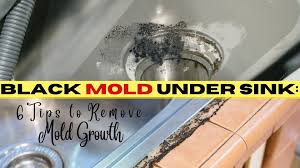
You start your day noticing a musty odor coming from the kitchen sink cabinet.
Start by looking for water stains, damp spots, or warped wood under the pipes. Tiny drips from the trap or supply lines can quickly lead to hidden mold. Shine a flashlight and rub your finger along the joints to spot moisture you might miss at first glance.Grab a mirror to check behind tight corners and pipe connections. Remember, leaks often trickle down unnoticed so look for greenish, black, or white fuzzy spots along the cabinet base and wall. Even if you spot a thin dark line or bubbling paint, that’s a red flag for mold buildup.Mold loves dark and damp areas, especially around a slow plumbing leak. Watch for cracked caulk, corroded metal fittings, and pooling water beneath cleaning bottles. Early detection keeps your kitchen healthier and saves you from tricky repairs later. Checking for these clues helps stop small leaks and their stubborn mold guests before they take over your home.
Understanding the risks of small sink leaks and mold growth
Small leaks under sinks can wreak havoc in a home. Plumbing professionals from organizations like the Environmental Protection Agency (EPA) and the Centers for Disease Control and Prevention (CDC) warn that even tiny drips can initiate rapid mold development. Mold spores thrive in dark, damp areas—exactly the kind of environment you find beneath your kitchen or bathroom sink. Water leaks can compromise cabinetry, weaken floorboards, and set the stage for a costly remediation process if not caught fast.
Identifying hidden leaks under your sinks
Sink leaks are often stealthy. Seals around your faucet, the connections to your P-trap, or the shut-off valves can develop pinhole leaks. Sometimes even dishwasher hoses or reverse osmosis water filter systems drip unnoticed. Knowing where and how to look is crucial. You need more than just your eyes—reliable inspection uses both tools and your senses.
- Visual Inspection: Look for water stains, bubbling, or peeling laminate on cabinets or flooring directly underneath the sink. Mold may appear as black, green, or white spots on wooden surfaces, particleboard, or wall panels.
- Feel for Dampness: Gently run your hand or a dry tissue paper along pipes, shut-off valves, and fittings. If you feel moisture or the paper gets wet, there is likely a leak.
- Use a Moisture Meter: Specifically designed moisture meters like those by General Tools or Extech measure dampness in wood and drywall, revealing hidden leaks not visible to the eye.
- Sniff for Musty Odors: Mold emits a distinctive musty or earthy smell. Odors trapped in closed cabinetry are a strong sign of problematic moisture accumulation.
Pinpointing the sources of under-sink leaks
To effectively stop mold, you must accurately identify where water begins its journey. Plumbing science shows that water usually follows gravity: a drip at the faucet base or under the sink basin can travel along supplies or drainpipes before pooling in the furthest corners. The following plumbing components are often culprits:
- P-Trap and Drain Connections: Old or loosely fitted P-traps are notorious for slow leaks, causing silent water damage and creating perfect habitats for Cladosporium and Penicillium molds.
- Shut-off Valves: With age, these valves from brands like SharkBite, Watts, or Fluidmaster can drip even when tightly closed. Corrosion is a sign of water escaping around connections.
- Supply Hoses: Braided stainless steel or plastic supply lines connecting to faucets may develop leaks near crimped ends or compression nuts.
- Garbage Disposals and Dishwasher Lines: Faulty seals can discharge moisture unnoticed, wetting cabinetry from below.
Tools and technology for advanced leak detection
Technological advancements have made leak detection more precise than ever. Professional leak detection companies like Lekdetectie Hydrocheck employ the latest diagnostic technology to give homeowners peace of mind. Imagine going beyond what you see or touch.
- Thermal Imaging Cameras: Devices like FLIR infrared cameras visualize temperature differences that reveal hidden moisture areas invisible to the naked eye inside cabinetry and wall voids.
- Acoustic Leak Detectors: These sensitive microphones can pick up the sound frequency of water escaping from pressurized pipes, even behind drywall or insulation.
- Smart Water Sensors: Products from Honeywell or Grohe Sense can be strategically placed to alert your phone the moment moisture is detected under your sinks.
Consequences of ignoring small sink leaks
Ignoring small leaks is never trivial. The scientific consensus shows persistent moisture leads to a cycle of:
- Mold Proliferation: Within 24 to 48 hours, mold can start growing on surfaces with about 60 percent relative humidity or higher. Exposure to Stachybotrys (black mold) in the home can trigger allergies and asthma.
- Structural Decay: Wood rot sets in, causing shelves and floors to soften or sag. Over time, this creates ideal breeding grounds for bacterial and fungal colonies.
- Increased Repair Costs: What starts as a ten-dollar washer replacement could end up as a thousand-euro cabinetry rebuild involving professional mold remediation.
Step-by-step process for inspecting under sinks
Detecting leaks is a methodical process. Follow these steps to catch issues before they escalate:
- Empty the Cabinet: Remove stored items for clear visibility and access.
- Inspect with Lighting: Use an LED flashlight to check crevices, around pipe joints, and behind the drain assembly.
- Dry-run Test: Turn on the tap and drain for several minutes. Watch every pipe, joint, and fixture for beads of water. For even more accuracy, line the cabinet base with a dry paper towel and watch for wet spots.
- Check for Condensation: Sometimes, condensation rather than leaks is the problem. Feel pipes for coolness and moisture even when the faucet is off. Insulating pipes helps prevent condensation-related mold.
When to call in professionals and how you prevent future mold issues
If you suspect a persistent leak, strong odors, or see mold taking hold under your sink, it is time to enlist certified technicians like us at Lekdetectie Hydrocheck. We use advanced protocols based on standards from organizations like the IICRC (Institute of Inspection Cleaning and Restoration Certification) to not just identify, but also safely remediate mold and eliminate the source of moisture.
- Proactive monitoring: Regularly review plumbing fixtures to remain ahead of problems. Install smart water sensors for early leak alerts.
- Sealing and caulking: Ensure all seams, especially around the base of your sink and countertop, have watertight silicone.
To discover more about how our certified leak detection and mold remediation service can safeguard your home, visit lekdetectie opsporen en schimmel bestrijden for extensive insights. If you are ready to take action, get a free quote on leak detection and mold prevention now.
This is how you win against mold for good
Defending your home from destructive mold starts with a vigilant approach to sink inspections. Use sharp eyes, modern technology, and trusted advice from specialists from Lekdetectie Hydrocheck. If you are in need of rapid response or want to learn more expert tips, reach out, and we will provide you with a no-obligation consultation and help you stay ahead of moisture-related damage.Take charge of your environment; do not let hidden leaks turn your sanctuary into a health hazard. Schedule a professional inspection or request a free, non-binding quote today at gratis lekdetectie offerte aanvragen so you can breathe easy—literally and figuratively.
FAQ
1. How can you quickly spot small leaks under your sink that might cause mold?
Start by emptying out everything from under your sink. With a flashlight, look for water stains, warped cabinet wood, or even a musty smell – these are classic signs. Run your hands around pipes, joints, and the bottom of the sink; if you notice any moisture, you’ve likely got a leak brewing. Even a drop of water every few minutes can lead to serious mold growth over time.
2. What tools do you need to inspect for mold-causing leaks under sinks?
Good news: you mostly need your senses and basic tools! Grab a flashlight for visibility, paper towels to check for dampness, and a small mirror to see behind pipes. Some pros use moisture meters, but trust your nose too; a musty odor is often the first giveaway of hidden mold.
3. Where do most small leaks start under the sink?
Leaks usually sneak in at pipe joints, the faucet base, or around the drain. P-traps (the curved part of the pipe) are notorious culprits too. Don’t overlook the shut-off valves and supply lines—they’re common places leaks start and get missed!
4. Why do small, unnoticed leaks lead to dangerous mold under sinks?
Even the tiniest drip keeps the space damp, and under-sink areas are dark and poorly ventilated—mold heaven. You might not see the problem right away, but mold can spread fast, damaging cabinets and risking your health with poor air quality.
5. How can you prevent mold after fixing a small leak under the sink?
Once you repair the leak, dry the area thoroughly. Leave the cabinet doors open or use a fan, and clean the space with a mixture of water and vinegar to kill spores. Regular monthly checks will catch new problems before they turn into a mold nightmare.