
Action Camera Tips Every Beginner Should Know Before Hitting Record
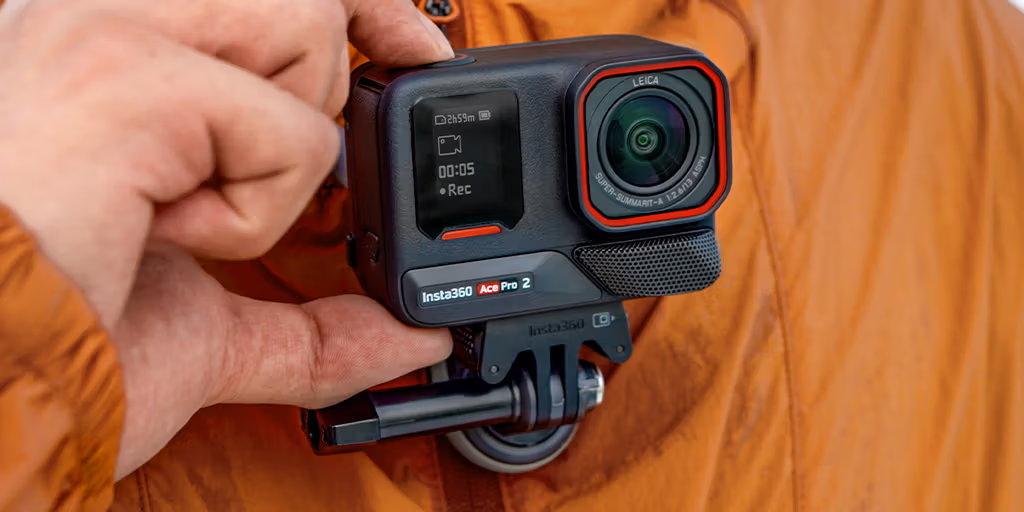
For beginners, understanding your equipment is crucial. An action camera offers versatility but can overwhelm first-time users. Before hitting record, familiarize yourself with buttons, settings, and menus. Test different modes to see how each affects video and photo quality. Learn how to attach mounts and adjust angles. Try recording short clips to understand the differences in frame rate, resolution, and lens options. Knowing your camera inside and out reduces mistakes during recording. Experimenting in safe environments first helps you gain confidence. Preparation ensures you capture smooth and clear footage from the start. With proper knowledge, beginners can avoid frustrating trial-and-error moments.
Choosing the Right Settings
Video quality depends heavily on settings. Most action cameras offer resolutions from 1080p to 4K and varying frame rates. Beginners should start with 1080p at 60fps for smooth motion without excessive file size. Adjust white balance and exposure to match the lighting conditions. Wide-angle lenses provide immersive perspectives but may introduce distortion. Some cameras offer slow-motion or time-lapse modes, adding creative variety and allowing you to test different combinations before your primary activity. Proper settings prevent underexposed or shaky footage. Learning this early saves time on editing later and produces professional-looking results.
Mounting Techniques
Mounting correctly affects both safety and video quality. Helmets, chest straps, and handlebars are popular choices. Each mount offers a different perspective: first-person, mid-body, or front view. Ensure mounts are secure and stable to prevent shaky footage—test angles before riding, biking, or performing activities. Beginners often overlook minor adjustments that improve framing. Using versatile mounts allows creative shots while keeping hands free. Tripods or suction mounts can help when stationary shots are needed. Safe, steady mounting ensures reliable results on adventures.
Understanding Stabilization
Shaky footage is a common beginner mistake. Modern action cameras include electronic or optical stabilization systems. Stabilization smooths out bumps, sudden movements, and hand shakes. Some models even allow horizon leveling to keep videos aligned. Always enable stabilization before recording active scenes. Practice steady movements to complement camera features. Combining stabilization and controlled motion produces crisp and professional videos. Understanding this prevents frustrating editing fixes later. Even on rough terrain, stabilization ensures footage looks cinematic.
Battery Life and Storage Management
Running out of battery or memory can ruin a session. Fully charge your action camera before starting. Carry spare batteries or portable chargers for extended shoots. Use high-speed memory cards with sufficient capacity. Recording in 4K consumes more space, so monitor usage carefully. Regularly format memory cards to prevent corruption. Plan your shots to optimize battery life. Beginners often underestimate this step, but it is essential for capturing all key moments. Adequate power and storage ensure uninterrupted recording throughout long adventures.
Lighting and Composition
Lighting dramatically affects video quality. Natural light is often best for outdoor action shots. Avoid direct sunlight on the lens, as it can cause glare. Learn basic composition techniques, such as the rule of thirds. Position the camera to capture both subject and background clearly. Shadows and highlights add depth and drama. Try varying perspectives and angles to enhance storytelling. Beginners should experiment to discover which compositions feel most immersive. Proper lighting and composition make videos visually appealing and professional.
Audio Tips for Clear Sound
Audio quality complements visuals and enhances the viewer’s experience. Wind, background noise, and vibrations can interfere with recordings. Use wind-reduction features or external microphones when available. Keep microphones away from moving parts that produce noise. Monitoring audio levels prevents distortion—record ambient sounds to enrich storytelling. For beginners, even small attention to sound greatly improves content. Clear audio combined with smooth video produces professional-looking action footage that keeps viewers engaged.
Action Camera Tips Every Beginner Should Know Before Hitting Record
Mastering these tips transforms how beginners approach action camera recording. Familiarity with settings, proper mounting, stabilization, battery management, lighting, and audio ensures smooth and engaging footage. Start simple, practice regularly, and gradually explore advanced features. Experiment with angles, slow-motion, time-lapse, and wide-angle lenses. Using an action camera correctly from the beginning saves time and enhances creativity. With these guidelines, beginners can confidently capture adventures, sports, and everyday moments with professional-quality results. Following these tips guarantees your first recordings impress viewers and inspire continued exploration.