
How to Plan Space for Rice Mill Machinery Before Installation: Layout Mistakes to Avoid
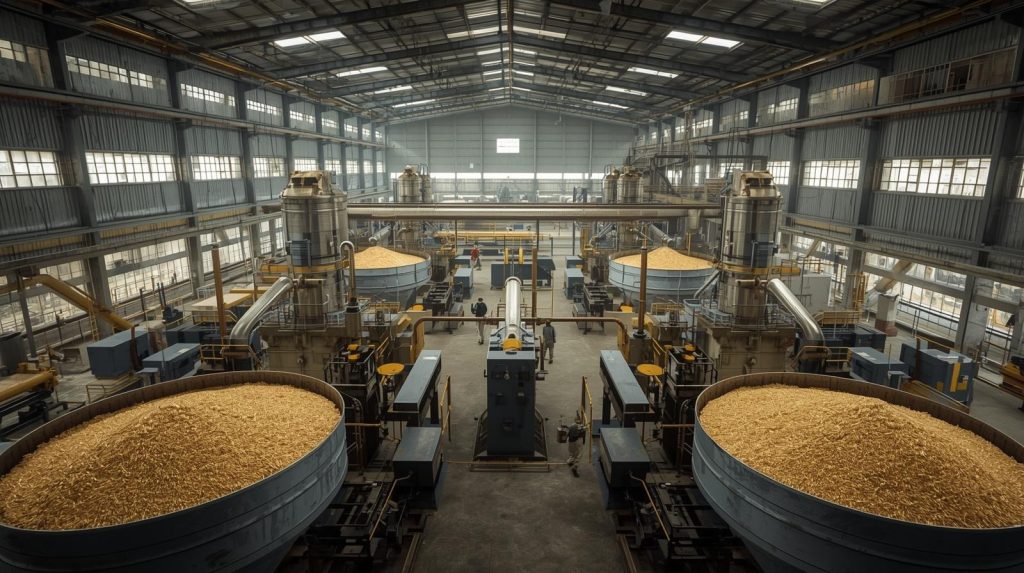
Many rice mill owners spend a lot of time choosing the right mill machinery, comparing capacity, power consumption, and price. But when the machines arrive, the real challenge begins. The building feels smaller than expected, the sequence does not match, and workers struggle to move material from one section to another. This happens because layout planning was not done before installation.
In a rice mill, the performance of mill machinery depends not only on the machine quality but also on how well the space is planned. Poor layout increases labour work, slows down production, and creates maintenance problems. Fixing these mistakes later costs more than planning properly in the beginning.
If you are installing new rice mill machinery or upgrading your plant, avoiding a few common layout mistakes can make a big difference in efficiency, safety, and long-term growth.
Layout Mistakes to Avoid When Planning Space for Mill Machinery
Below are some common mistakes you should avoid before installation.e H3
- Not Planning the Full Process Flow of Mill Machinery
One of the most common mistakes is building the shed first and deciding on the rice mill machines later. Every rice mill has a sequence that includes cleaning, de-stoning, husking, polishing, grading, and sorting. If the layout does not follow this order, material has to move back and forth, which reduces efficiency.
You should always plan the entire flow before finalising the building. Decide where paddy will enter, where each machine will be placed, and where finished rice will be stored. When the flow is straight and logical, the mill machinery runs faster and with fewer interruptions.
Height is another factor people ignore. Elevators, silos, and gravity systems need proper vertical space. If the roof height is not enough, installation becomes complicated and expensive to modify later.
A well-planned flow saves power, reduces labour effort, and keeps the plant organised.
- Not Leaving Enough Maintenance Space Around Mill Machinery
Trying to fit more mill machinery in less space may look efficient at first, but it creates serious problems later. Every machine needs space for cleaning, belt adjustment, inspection, and repair. When machines are placed too close together, even a small fault can stop the whole plant.
You should leave a walking space around each unit of mill machinery for rice so workers can reach all sides easily. Proper space also improves safety because tools can be used without risk, and parts can be replaced without removing other machines.
Maintenance space also affects long-term performance. Machines that cannot be serviced properly wear out faster and increase downtime. Many experienced mill owners keep extra space even if the current setup is small, because they know future repairs and upgrades need room.
Planning space for maintenance is not a waste of area. It is protection for your investment in mill machinery.
- Ignoring Storage, Movement Area, and Future Expansion
Another common mistake is focusing only on mill machinery and forgetting about storage and movement space. A rice mill needs separate areas for raw paddy, processed rice, husk, bran, and packing. When storage is not planned, bags start piling near machines, blocking movement and slowing down work.
You should create clear zones for raw material, processing, and finished goods. This keeps the workflow smooth and reduces handling time. When storage is close to the correct section, the mill machinery can run without delay.
Future expansion is also important. Many mills increase capacity after a few years, but there is no space left to install new mill machinery. Then owners have to shift existing machines, which costs time and money.
Keeping some extra space in the layout gives flexibility for upgrades. Even a small reserved area can help when you want to add a polisher, grader, or sorter later.
- Not Planning Proper Power, Ventilation, and Dust Flow for Mill Machinery
Many mill owners focus only on placing the mill machinery in the available space and forget about power lines, ventilation, and dust movement. These things may not look important during planning, but they affect daily operation in a big way.
Rice mills produce husk, bran dust, and heat during processing. If ventilation is not planned properly, the working area becomes uncomfortable and unsafe. Excess dust can also affect the performance of mill machinery for rice and increase wear in moving parts.
Power connection planning is equally important. Each unit of rice mill machinery needs proper wiring, panel access, and safe cable routing. If electrical lines cross walkways or pass between machines without planning, maintenance becomes difficult, and safety risk increases.
Conclusion
Installing good-quality mill machinery is important, but the way you plan the space decides how well the plant will run. When the layout is correct, machines work smoothly, workers move easily, maintenance becomes simple, and production stays consistent.
Before starting installation, take time to plan the flow, maintenance space, storage area, and future expansion. A well-planned layout allows your rice mill equipment to give full output and keeps your rice mill efficient for many years.