
Light Fastness Testing Standards Explained: ISO, AATCC, and ASTM
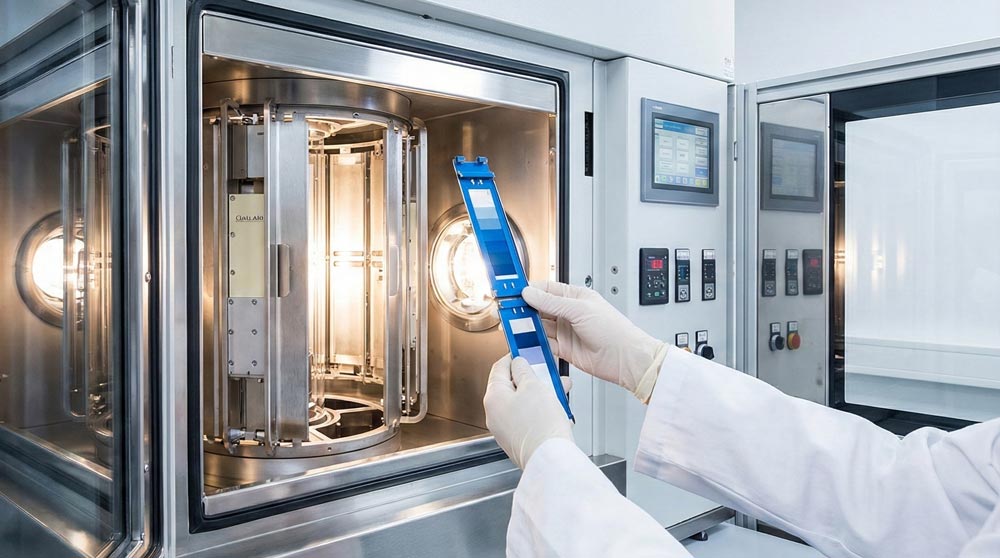
Anyone responsible for quality control in textiles, coatings, plastics, or printing has almost certainly come across a confusing alphabet soup of standard numbers: ISO 105-B02, AATCC 16, ASTM D4459, ASTM G155, and more. Each of these standards describes a specific way of running a light fastness test using a light fastness tester, but they differ in exposure conditions, reference scales, and intended applications. This article breaks down the major standards in plain language so buyers and lab technicians can understand which one applies to their products and how a light fastness tester needs to be configured to run it correctly.
Why Standards Exist
Light fastness testing only has value if results are reproducible and comparable. If one lab ran a test with a different light intensity, temperature, or exposure time than another lab, the two sets of results would be meaningless to compare. Standards bodies such as the International Organization for Standardization (ISO), the American Association of Textile Chemists and Colorists (AATCC), and ASTM International publish detailed, tightly specified test methods so that a fastness rating generated in one lab means the same thing as a rating generated anywhere else in the world, on any properly configured instrument.
ISO 105-B02: The Global Textile Benchmark
ISO 105-B02 is one of the most widely referenced light fastness standards for textiles internationally. It specifies exposing a fabric specimen alongside blue wool reference standards under xenon arc light, then comparing the degree of fading between the test specimen and the reference standards to assign a rating on the 1–8 Blue Wool Scale. Because it is an ISO standard, it is recognised and required by buyers, retailers, and regulators across Europe, Asia, and many other regions, making it a default requirement for textile exporters selling into international markets.
AATCC 16: The North American Textile Standard
AATCC 16 (Colorfastness to Light) is the standard most commonly required by North American brands and retailers. Like ISO 105-B02, it uses a xenon arc light source and blue wool references, but it includes several test options (Option 1 through Option 5) that vary exposure conditions such as continuous versus cyclic light exposure and humidity control, allowing labs to tailor the test to a specific end-use scenario, such as apparel intended for indoor versus outdoor use.
ASTM Standards for Broader Material Testing
While ISO and AATCC standards are heavily focused on textiles, ASTM International publishes a broader family of standards that extend into plastics, coatings, and general materials:
● ASTM G155 covers the general operating procedures for xenon arc exposure apparatus used for testing materials such as paints, plastics, and other non-metallic materials.
● ASTM D4459 addresses xenon arc exposure specifically for materials used in indoor applications, such as furniture fabrics and interior coatings.
● ASTM D2565 covers xenon arc exposure of plastics intended for outdoor applications.
These standards are commonly required by automotive suppliers, furniture manufacturers, and plastics producers who need to demonstrate that a material will hold its colour and physical properties under prolonged light exposure.
The Blue Wool Reference Scale
Most textile-focused light fastness standards rely on the Blue Wool Scale, a set of eight dyed wool reference fabrics numbered 1 through 8, each formulated to fade at a specific, known rate under UV and visible light exposure. Grade 1 fades extremely quickly and represents very poor light fastness, while grade 8 is highly resistant to fading and represents excellent light fastness. During a test, these references are exposed in the chamber at the same time as the actual product samples. Technicians periodically compare the degree of fading on the test sample to the references to determine which reference number the sample’s fading most closely matches, and that number becomes the sample’s fastness rating.
How a Light Fastness Tester Needs to Be Configured
Running these standards correctly requires a light fastness tester capable of the following:
1. Correct light source and filtering. Xenon arc lamps fitted with the specific optical filters called for by the standard, since different filters shape the spectrum for outdoor exposure, window-glass-filtered exposure, or other scenarios.
2. Accurate irradiance control. The standard specifies a target irradiance level (commonly measured at 340nm or 420nm), and the tester must maintain this consistently throughout the exposure period.
3. Black panel temperature control. Standards specify a target black panel or black standard temperature range that the tester must maintain to simulate realistic surface heating.
4. Cyclic or continuous exposure programs. Some standards require cycles that alternate between light and dark periods, or dry and humid conditions, and the tester needs to support programmable cycles to reproduce these accurately.
5. A rotating specimen rack. To ensure every specimen, including the blue wool references, receives an equal, even dose of light throughout the test.
A capable unit such as the YG611M xenon arc light fastness tester is built to support this kind of standards-driven, programmable operation, which is exactly what labs need when they are required to certify products against multiple international standards.
Choosing the Right Standard for Your Product
If you are unsure which standard applies to your product, start with your customer’s specification sheet or purchase order, since retailers and brands typically specify the exact standard and required minimum rating. If you are developing test protocols independently, consider your primary export market (ISO for most international buyers, AATCC for North American retail), and the end-use environment of the product (indoor apparel versus outdoor furniture versus automotive interior, for example), since each has a corresponding, more specific standard.
Conclusion
Understanding the differences between ISO, AATCC, and ASTM light fastness standards is essential for any lab that wants its test results to be trusted and accepted by international customers. While the underlying principle across all these standards is similar — expose a sample to controlled xenon arc light and measure the resulting colour change against a reference scale — the specific exposure conditions, reference methods, and applications differ enough that choosing and correctly configuring the right standard on your light fastness tester matters just as much as the quality of the instrument itself.
Frequently Asked Questions
Q1: Can the same light fastness tester run ISO, AATCC, and ASTM tests?
Yes, most modern xenon arc light fastness testers are designed to be programmable across multiple standards, provided the correct filters are installed and the operator sets the appropriate irradiance, temperature, and cycle parameters for each specific standard.
Q2: What is the minimum acceptable light fastness rating for apparel?
Minimum acceptable ratings vary by brand and product category, but many retailers require a rating of grade 4 or higher on the Blue Wool Scale for general apparel, with higher requirements for outdoor or heavily sun-exposed garments.
Q3: Why do North American and international buyers sometimes require different standards for the same product?
Historically, different regions developed their own textile testing bodies and methods, and AATCC became the dominant standard in North America while ISO standards became the global default. Many exporters end up testing to both standards to satisfy customers in multiple markets.
Q4: Do plastics and coatings use the same blue wool reference scale as textiles?
Not always. While some plastics and coatings tests reference similar fastness concepts, standards like ASTM G155 often measure colour change directly using instrumental colour measurement (delta E) rather than relying solely on the blue wool visual comparison scale used in textile testing.
Q5: How often should a lab recalibrate its light fastness tester to stay compliant with these standards?
Calibration frequency depends on usage intensity and manufacturer recommendations, but most labs recalibrate irradiance sensors and verify black panel temperature accuracy on a scheduled basis, commonly every few months, to ensure ongoing compliance with the tolerances specified in ISO, AATCC, and ASTM methods.