
Amish Oil Change Meaning: Origins, Interpretations & Why It Circulates
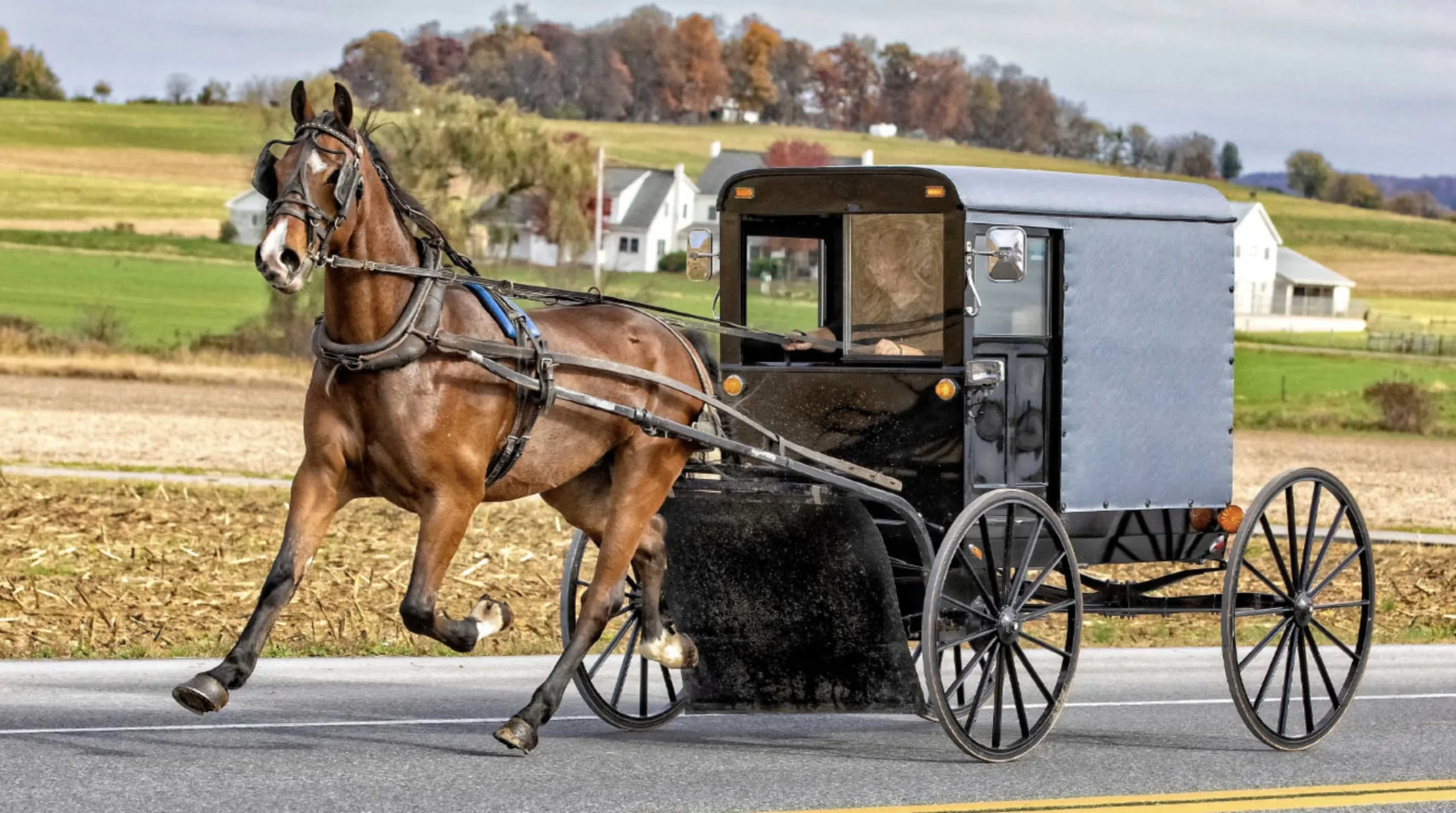
If you’ve encountered the phrase “Amish oil change” online, especially on social media or in memes, you probably wondered: What does it really mean? This term has drawn attention because it has shocking and surprising interpretations—and it’s become a viral slang phrase. In this article, we’ll explore all known meanings, the origins, how it’s used today, misunderstandings around it, and more. By the end, you’ll have a full, clear view of what people mean when they say “Amish oil change.”
What Does “Amish Oil Change” Mean?
Literal / Traditional Interpretation
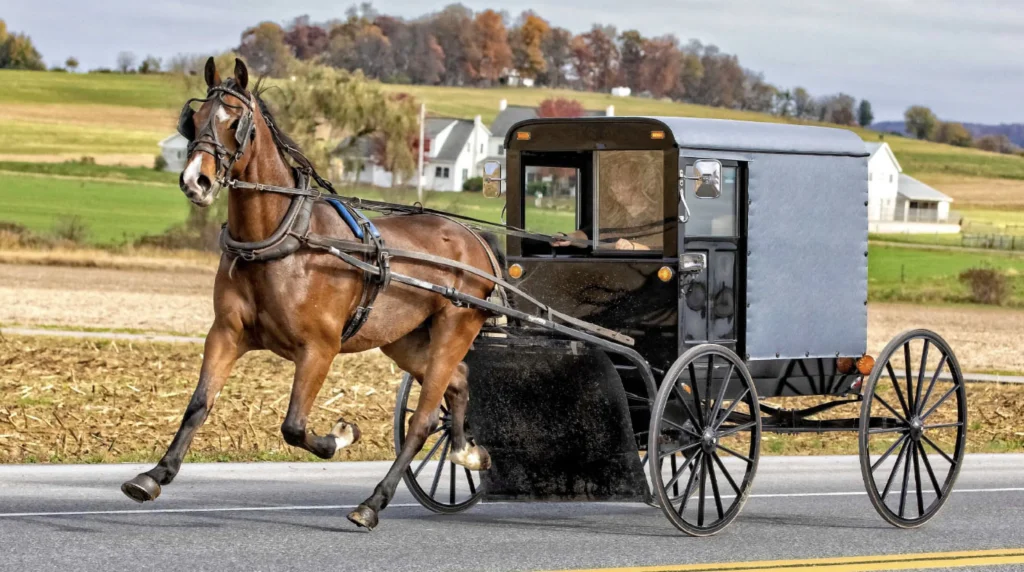
From a literal perspective, the Amish are known for leading simple lives, often rejecting modern conveniences like motor vehicles or gasoline engines. Because the Amish typically don’t use modern cars, they don’t perform conventional oil changes on vehicles. Thus, in the most literal sense, “Amish oil change” could imply no oil change or use of non‑modern technologies to maintain equipment (e.g. using greases or lubricants for non-motor machinery).
Slang / Internet Meaning
Over time, “Amish oil change” has also gained a slang, often shocking meaning. In internet slang, the term is used as a crude sexual innuendo. One of its more explicit definitions describes a sexual act involving a horse and spitting. This usage surfaced in various online forums and has become part of meme culture.
Some people also report an alternate crude definition: manually dealing with a horse’s digestive or excretory issues. Over time, the phrase has been used in multiple shocking or humorous contexts, often as a “shock meme” or to provoke reactions.
Thus, the term has two main interpretations in slang: one involving a sexual act, and another involving a crude act of cleaning or manual removal connected to a horse.
Origins & Spread of the Term
Earliest Usage
The phrase “Amish oil change” appears in internet culture as early as the 2010s. Users in forums, meme communities, and urban dictionary–style sites began posting definitions and jokes about it. Over time, its more shocking meaning became more well known via social media.
Viral Meme Culture & Social Media
In recent years, the term resurfaced on platforms like TikTok, Reddit, and meme aggregators. Posts often used it for shock value or to provoke disgust, which in turn increased its spread. Some users claimed they encountered videos or content referencing the term, contributing to its virality.
Why Does “Amish Oil Change” Shock People?
Taboo & Unexpected Imagery
Because the slang meaning involves extreme and taboo elements (a human and an animal, in a sexual context), many people are surprised or disturbed when they learn the definition. The contrast between the innocent-sounding phrase and the explicit meaning adds to the shock.
Double Meaning / Play on Words
There is also a play on words: “oil change” commonly refers to car maintenance. The use of “Amish” (a group associated with rejecting modern technology) combined with that phrase produces dissonance—making it more memorable and ripe for meme usage.
Common Misconceptions & Clarifications
Misconception: It’s a “horse grooming” process
Some might assume “oil change” refers to grooming or applying oils to a horse coat, but that is not the typical intended meaning in this slang usage.
Misconception: It’s something done by Amish communities
There’s no evidence that any Amish community practices such acts. The phrase is not based on authentic Amish practices. Instead, its use is ironic or shock-based, misappropriating the words “Amish” and “oil change” together.
Misconception: It’s benign or harmless
While some share it as a meme, its content is explicitly sexual and disturbing. Some users or platforms censor or avoid it due to its nature.
How People Use “Amish Oil Change” Today
Jokes & Meme Format
Most usage is in jokes, meme images, or user comments—often as a punchline when someone is revealing a more grotesque meaning behind a phrase that sounds normal.
Shock Content / Reaction Videos
Some content creators reference it to provoke reactions, like people Googling and being shocked by the definition. Others use it in “do you know what this means?” style quizzes or challenges.
Caution & Moderation
Due to its explicit, taboo nature, many social platforms consider references to the term sensitive or NSFW. Users often warn others about its meaning before revealing it.
Is “Amish Oil Change” Used in Any Safe or Innocent Context?
While the predominant usage is explicit or shocking, some have tried to repurpose or use the phrase metaphorically—meaning “no oil change” or “skipping maintenance” in a humorous or sarcastic automotive conversation. In that case, it’s used more benignly (e.g., “He gave the car an Amish oil change — just drained, no refill”). But this usage is far less common.
Read: AI for Sales and Marketing
Read: Maximizing Solar Power
Read: Golf and Technology Integration
Read: Rethinking Blood Pressure Monitoring
Read: Secure International Payouts Made Easy with PayGlocal
FAQs About “Amish Oil Change”
What is the meaning of “Amish oil change”?
It has two main interpretations: (1) a crude sexual innuendo involving a horse, and (2) a joke shorthand for doing a half job (like draining oil without replacing it) or doing no oil change at all.
Did the Amish really do this “oil change”?
No, there is no credible evidence that any Amish community practices such acts. The term is a modern internet slang invention, not based in Amish culture or tradition.
Why is it called “Amish”?
Likely because the Amish are often stereotyped as rejecting modern technology; pairing that with “oil change” (something associated with cars) makes the phrase ironic and memorable.
Is it appropriate to use or mention publicly?
Be careful — because of its explicit, taboo definition, it’s often considered offensive or inappropriate, especially in public or mixed company.
How did it become popular?
It spread via forums, meme sites, and more recently social media platforms where users share shock memes. The surprise element helps it go viral.
Conclusion
In summary, “Amish oil change” is a phrase rooted in shock-value internet slang rather than any genuine cultural or automotive practice. While there is a minor benign use (referring to skipping or partially doing an oil change in jest), its dominant meaning is crude and explicit—used for memes or to provoke reactions. Understanding its dual meanings, origins, and how it’s used lets you decide whether to engage with it or avoid it. If you’ve ever seen the phrase and wondered what it means, now you have the full picture.
