
Mastering Comfort on Long-Haul Flights Between the United States and India
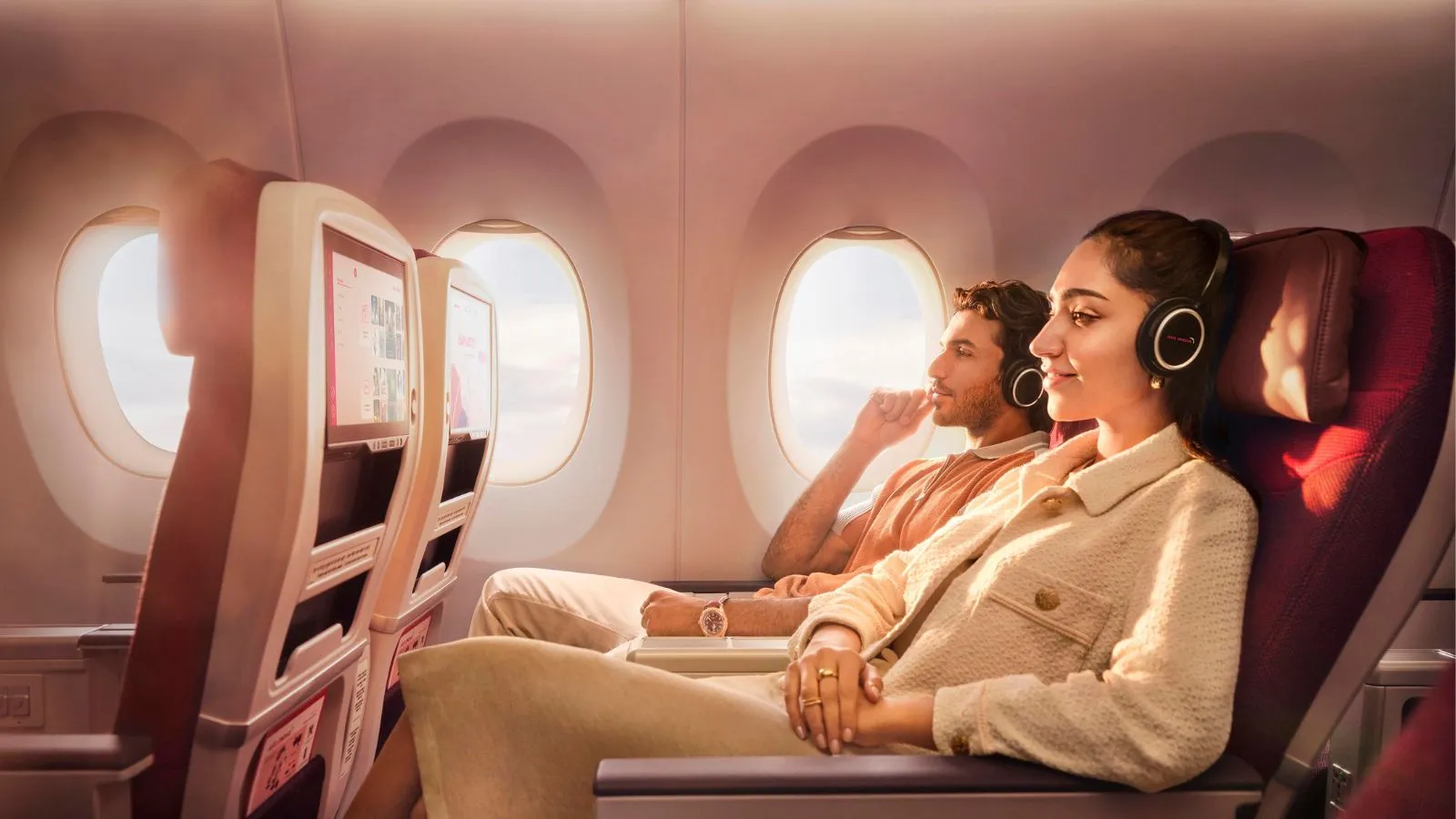
The 14-24 hour journey between the United States and India challenges even experienced travelers. Extended periods confined to aircraft seats, crossing multiple time zones, managing jet lag, and maintaining wellbeing throughout lengthy flights require thoughtful preparation and strategic approaches. Understanding how to optimize comfort transforms potentially grueling experiences into manageable, even pleasant journeys enabling arrival in good condition ready to commence activities.
For travelers planning flight tickets to India from USA, comfort considerations deserve equal attention alongside cost and schedule factors. The physical and mental demands of ultra-long-haul flights mean that arriving rested and healthy significantly impacts the overall travel experience and subsequent activities. This comprehensive guide explores proven strategies for maximizing comfort throughout every phase of the journey, from pre-flight preparation through arrival recovery.
Pre-Flight Preparation Strategies
Physical Conditioning and Rest Management
Journey preparation begins days before departure. Adequate sleep leading up to travel ensures starting from a rested baseline rather than beginning long-haul flights already fatigued. Gradually shifting sleep schedules toward destination time zones reduces adjustment shock upon arrival. This process works better for eastward travel (USA to India) than westward returns, though modest schedule shifting benefits both directions.
Physical preparation including hydration optimization proves essential. Increased water consumption days before travel ensures proper hydration entering the dehydrating cabin environment. Avoiding excessive alcohol and caffeine in the 24 hours before departure prevents starting flights already dehydrated. Light exercise the day before departure promotes circulation and general wellbeing without exhausting energy reserves needed for travel.
Packing strategies influence comfort substantially. Carry-on bags should include comfort items not provided or inadequately supplied by airlines including quality neck pillows, eye masks, noise-canceling headphones or earplugs, comfortable clothing for wearing during flights, and personal entertainment supplementing inflight systems. Medications, essential documents, valuables, and items needed immediately upon arrival belong in carry-on luggage accessible throughout flights.
Nutrition and Meal Planning
Pre-flight nutrition influences how bodies handle extended travel stress. Heavy, rich meals immediately before flights increase discomfort during flights. Light, easily digestible meals prove preferable. Avoiding gas-producing foods prevents bloating aggravated by pressure changes and immobility. Sufficient caloric intake prevents hunger while avoiding excess loading digestive systems immediately before travel.
Special meal requests through airlines accommodate dietary restrictions and preferences. Vegetarian, vegan, gluten-free, low-sodium, and various religiously-compliant options typically require advance ordering (usually 24-48 hours before departure). Specialty meals often serve before general meal service, providing earlier service beneficial for rest timing. Quality varies across carriers and routes, though major international carriers generally accommodate special requests adequately.
Bringing supplementary snacks provides options when airline meal timing doesn’t align with hunger or meal quality disappoints. Protein bars, nuts, dried fruit, and similar shelf-stable items maintain energy without requiring refrigeration. Avoiding excessive salt and sugar helps minimize thirst and energy crashes. Post-security food purchases enable bringing fresh items including sandwiches, salads, or fruit aboard flights.
Optimal Seating Selection
Evaluating Seat Location Trade-Offs
Seat selection profoundly influences comfort during long-haul flights. Forward cabin locations typically experience less turbulence, enable quicker boarding and deplaning, and position closer to lavatories. However, these same benefits create disadvantages including higher foot traffic past seats and potentially more queue formation near lavatories during busy periods.
Exit row seats provide extra legroom benefiting taller passengers or anyone desiring additional space. However, proximity to emergency exits means these seats typically don’t recline or recline minimally to prevent blocking emergency egress. Window exit row seats avoid aisle foot traffic while maintaining extra legroom. These seats often command additional fees reflecting desirable characteristics.
Aisle seats enable easy lavatory access and stretching without disturbing fellow passengers. However, passing service carts and passenger traffic sometimes disturb rest. Window seats provide lean-against support and control over window shades but require disturbing others for lavatory access. Middle seats represent last resort for most travelers, lacking benefits of either aisle or window positions.
Bassinet and Family Seating Considerations
Families traveling with infants should request bassinet seats enabling babies to sleep in aircraft-provided bassinets attached to bulkheads. These seats typically position in front of cabins, providing extra legroom but lacking under-seat storage due to bulkhead placement. Advance booking proves essential as bassinet locations prove limited and demand high on family-popular routes.
Booking adjacent seats for families ensures togetherness though increasingly requires paying seat selection fees. Some airlines still accommodate family seating without fees, while others treat seat selection as ancillary revenue regardless of family status. Early booking provides better selection before premium free seats fill. Politely requesting assistance from gate agents sometimes yields seat reassignments accommodating families initially assigned separate seats.
Managing the Flight Experience
Sleep Optimization Strategies
Quality sleep during flights substantially improves arrival conditions and subsequent adjustment. Window seats provide leaning surfaces and control preventing light disturbances from other passengers adjusting window shades. Bringing quality neck pillows provides needed support standard airline pillows often lack. Eye masks block ambient light including other passengers’ reading lights and entertainment screens. Earplugs or noise-canceling headphones eliminate cabin noise and crying babies.
Sleep timing considerations balance destination time zone adjustment against flight schedule. Some experts recommend sleeping according to destination time zones from departure, conditioning bodies for destination schedules. Others suggest sleeping when natural fatigue occurs regardless of time zone considerations. Individual responses vary—experimenting during earlier flights or considering personal circadian rhythm patterns helps identify optimal personal approaches.
Sleep aids merit careful consideration. Over-the-counter options including melatonin, antihistamines, or herbal supplements prove adequate for many travelers. Prescription sleep medications provide stronger effects though require medical consultation and trial before travel ensuring tolerance and appropriate effects. Alcohol, while causing drowsiness, actually impairs sleep quality and increases dehydration, making it counterproductive despite popular belief otherwise.
Entertainment and Mental Engagement
Modern inflight entertainment systems provide extensive content libraries including recent films, television series, music, games, and sometimes live television. However, bringing personal entertainment supplements airline options ensuring adequate variety for 14+ hour flights. Downloaded content on tablets or laptops, books or e-readers, and offline games on mobile devices all provide alternatives when airline systems malfunction or content selection disappoints.
Balancing screen time against rest proves important for wellbeing. Excessive screen exposure exacerbates eye strain and potentially disrupts sleep when viewing immediately before attempting rest. Alternating between entertainment, rest, light reading, and movement provides healthier variety than continuous screen engagement. Blue light filtering glasses or device settings reduce eye strain and minimize sleep disruption from screen exposure.
Productivity opportunities during flights appeal to some travelers. Quiet cabin environments enable focused work without typical interruptions. However, Wi-Fi availability and reliability vary substantially. Critical work requiring connectivity should be completed before flights or after arrival rather than depending on potentially unreliable inflight connectivity. Offline work including writing, planning, or reading proves more reliably feasible.
Hydration and Nutrition Management
Combating Cabin Dryness
Cabin humidity typically ranges 10-20%, substantially lower than comfortable ground-level humidity of 30-65%. This extreme dryness causes dehydration, dry skin, respiratory irritation, and general discomfort. Regular water consumption throughout flights combats these effects. Flight attendants typically provide water on request between service rounds, though proactive hydration proves more effective than reactive thirst response.
Bringing empty water bottles through security and filling at airport water fountains provides personal water supplies supplementing airline service. Most airlines permit bringing aboard filled containers purchased post-security. This ensures adequate hydration access particularly when service proves infrequent or fellow passengers block access to service areas. Aiming for water consumption of approximately 250ml per hour maintains hydration effectively.
Moisturizing products combat dry skin effects. Lip balm prevents painful chapped lips, facial moisturizer protects skin, and saline nasal spray addresses nasal passage dryness. Avoiding excessive alcohol and caffeine, both of which increase dehydration, proves particularly important during flights. When consuming these beverages, alternating with water helps maintain better hydration balance.
Strategic Meal and Snack Timing
Airline meal service follows predetermined schedules sometimes misaligning with passenger hunger or optimal nutrition timing. Eating according to personal hunger rather than strictly following service timing often proves preferable. Requesting meals for later consumption or declining meals when not hungry maintains better alignment with body signals than forcing eating according to service schedules.
Light, frequent snacking sometimes suits long flights better than large meals. Smaller portions maintain energy without causing bloating or digestive discomfort exacerbated by immobility and pressure changes. Fresh fruits, vegetables, nuts, and whole grain items provide sustained energy without sugar crashes processed snacks create. However, TSA regulations restrict bringing liquids and gels, limiting some fresh food options.
Destination time zone adjustment begins with meal timing. Eating according to destination mealtimes rather than origin or flight elapsed time begins conditioning body rhythms toward destination schedules. This proves particularly relevant for long-haul flights crossing many time zones. Combined with sleep timing adjustments, meal timing contributes to faster destination adjustment reducing jet lag severity.
Movement and Physical Health
Exercise and Circulation Maintenance
Extended immobility during flights increases deep vein thrombosis (DVT) risk, particularly for passengers with predisposing factors including age, obesity, smoking, or clotting disorders. Regular movement dramatically reduces this risk while also improving general comfort and reducing stiffness. Standing and walking through aisles every 2-3 hours when safe promotes circulation and provides welcome movement after extended sitting.
In-seat exercises maintain circulation when moving proves impractical due to service, turbulence, or sleeping passengers. Ankle circles, foot pumps, seated marching, shoulder rolls, and neck stretches all promote blood flow without requiring standing. Some airlines provide exercise cards or inflight entertainment channels demonstrating appropriate exercises. These simple movements, performed regularly, substantially improve comfort and reduce health risks.
Compression socks provide mechanical circulation assistance by applying graduated pressure promoting blood return from legs. Medical-grade compression proves most effective, though even sports compression socks provide benefits. Putting on compression socks before flights ensures proper fit and maximum benefit throughout travel. Combined with movement and hydration, compression substantially reduces DVT risk for susceptible individuals.
Stretching and Flexibility Maintenance
Periodic stretching prevents stiffness and discomfort from prolonged static positioning. Simple stretches targeting major muscle groups provide relief without requiring elaborate space or equipment. Forward folds stretch backs and hamstrings, overhead reaches extend shoulders and spine, and neck tilts relieve tension accumulating in shoulders and neck. These stretches, performed gently avoiding aggressive movements potentially causing injury, maintain comfort throughout flights.
Lavatory time provides opportunities for more extensive stretching when cabin movement proves impractical. The small private space enables movements that might draw unwanted attention in cabin aisles. Forward folds, hamstring stretches, and arm and shoulder movements all fit within lavatory confines. These brief movement breaks provide disproportionate comfort benefits relative to time required.
Jet Lag Management
Understanding Circadian Rhythm Disruption
Crossing multiple time zones disrupts the body’s internal clock governing sleep-wake cycles, hunger, hormone production, and various physiological processes. Eastward travel (USA to India) generally proves more challenging than westward travel due to requiring phase advance (sleeping earlier) rather than phase delay (staying up later). The approximately twelve-hour time difference between most USA and India locations means arriving during opposite diurnal cycles from departure—leaving in the morning arriving at night or vice versa.
Jet lag symptoms include sleep disturbances, fatigue, digestive issues, mood changes, and cognitive impairment. Severity and duration vary individually based on age, general health, number of time zones crossed, and direction of travel. Most people require approximately one day per time zone for full adjustment, suggesting USA-India travel might require 10-12 days for complete adaptation. However, practical strategies accelerate adjustment substantially.
Pre-Flight Adjustment Strategies
Beginning sleep schedule adjustments before departure reduces destination arrival shock. Gradually shifting bedtime and wake time by 30-60 minutes daily for several days before travel moves circadian rhythm toward destination schedule. This proves more practical for planned trips with adequate lead time than last-minute travel. Even modest pre-adjustment reduces subsequent jet lag compared to no preparation.
Light exposure influences circadian rhythm substantially. Seeking bright light during hours corresponding to destination daylight and avoiding light during destination nighttime begins conditioning the internal clock. Light boxes designed for seasonal affective disorder treatment provide intensive light exposure when natural sunlight proves insufficient. This phototherapy approach combined with sleep timing adjustments provides powerful pre-travel adaptation.
Post-Arrival Adaptation Tactics
Upon arrival, immediately adopting a destination schedule regardless of fatigue proves most effective for rapid adjustment. Resisting sleep during destination daylight hours, even when exhausted, helps shift circadian rhythm. Light physical activity, fresh air exposure, and sunlight all promote wakefulness supporting adaptation. Planning engaging activities for the first destination day helps resist inappropriate sleep.
Strategic short naps (under 30 minutes) during the destination afternoon can alleviate severe fatigue without significantly disrupting night sleep. Longer naps or evening sleep creates secondary jet lag delaying adjustment. Maintaining regular meal times aligned with destination schedule further reinforces circadian rhythm shifts. Combined with light exposure management and forced wakefulness during destination daylight, these strategies substantially accelerate adaptation.
Special Considerations for Different Traveler Types
Business Travelers and Productivity Needs
Business travelers requiring immediate productivity upon arrival face particular challenges. Premium cabin travel proves justified for important business engagements, as superior rest quality during flights dramatically influences arrival readiness. Lie-flat seats enabling proper sleep, quieter cabins, and superior service all contribute to arriving ready for business activities rather than requiring recovery time.
Work preparation during flights balances productivity against rest needs. Completing reviews, planning sessions, or non-critical work proves feasible during flights when sleep proves elusive. However, avoiding complex analytical work or important decisions proves wise given cognitive impairment from fatigue and altitude. Downloading necessary documents offline ensures work access regardless of connectivity availability.
Families Traveling with Children
Family travel presents unique challenges requiring additional preparation. Entertainment variety proves essential keeping children engaged throughout long flights. Downloaded movies, games, books, and activities supplementing inflight entertainment prevent boredom driving disruptive behavior. New toys or activities revealed periodically throughout flights maintain novelty and engagement.
Feeding schedules, nap times, and comfort items all require careful planning. Bringing familiar comfort items including favorite blankets or toys helps children settle. Explaining flight duration and creating anticipation for arrival helps children understand and cope with extended travel. Patience, flexibility, and realistic expectations regarding behavior prove essential for successful family travel experiences.
Elderly and Mobility-Challenged Passengers
Passengers with mobility limitations require additional assistance and considerations. Requesting wheelchair assistance at booking ensures service availability. Early boarding enables settling into seats without gate area crowding. Selecting aisle seats near lavatories minimizes walking distances and simplifies access. Exit row seats, while offering legroom, legally require passengers capable of assisting emergencies—mobility-limited passengers typically cannot occupy these seats.
Medical considerations including medication timing require advance planning. Carrying adequate medication supplies in carry-on luggage prevents disruption from lost checked baggage. Medication schedules crossing time zones require consultation with healthcare providers ensuring appropriate timing. Bringing documentation regarding medical conditions and requirements sometimes proves necessary, particularly regarding security screening or airline policies.
Technology and Connectivity
Personal Device Management
Smartphones, tablets, laptops, and e-readers require proper power management for long flights. Fully charging devices before boarding maximizes available use. USB charging ports increasingly available at seats enable recharging during flights, though not all seats provide this capability—carrying portable battery packs provides backup charging ensuring device availability throughout journeys.
Downloaded content ensures entertainment and productivity access regardless of connectivity. Streaming services increasingly offer offline download options. Documents, spreadsheets, and other work files downloaded before flights enable offline access. Cloud synchronization when connectivity becomes available ensures work preservation and accessibility across devices.
Inflight Wi-Fi Considerations
Inflight Wi-Fi availability and quality vary substantially across carriers. Some airlines provide complimentary service, others charge fees varying from reasonable to exorbitant. Connection speeds typically prove adequate for messaging and email but often insufficient for streaming or large downloads. VPNs and secure connections sometimes face compatibility issues with inflight systems.
Managing connectivity expectations prevents frustration. Critical communications requiring reliable connectivity should complete before departure or after arrival. Treating inflight connectivity as bonus capability rather than expected reliability aligns expectations with actual service levels. Offline productivity and entertainment approaches prove more reliable than depending on potentially unavailable or unreliable connectivity.
Conclusion
Long-haul travel between the United States and India challenges physical comfort, mental stamina, and general wellbeing. However, systematic preparation, strategic approaches throughout flights, and informed post-arrival adjustment tactics transform potentially miserable experiences into manageable journeys. Understanding physiological impacts, implementing proven comfort strategies, and maintaining realistic expectations enables arriving in reasonable condition ready to commence activities rather than requiring extended recovery.
The investment in preparation, quality equipment including comfort items, and potentially premium seating proves modest relative to overall trip significance and total expenditure. Prioritizing comfort alongside cost considerations recognizes that arrival condition substantially influences subsequent experiences. Successfully managing long-haul travel requires viewing the journey as an integral trip component deserving thoughtful attention rather than merely transit endured between meaningful portions. Mastering these skills benefits all future long-haul travel while enabling enjoyable, productive experiences connecting continents, cultures, and relationships across thousands of miles.