
LED Fog Light Bulbs vs. Stock Halogens: Do They Actually Make a Difference in Bad Weather?
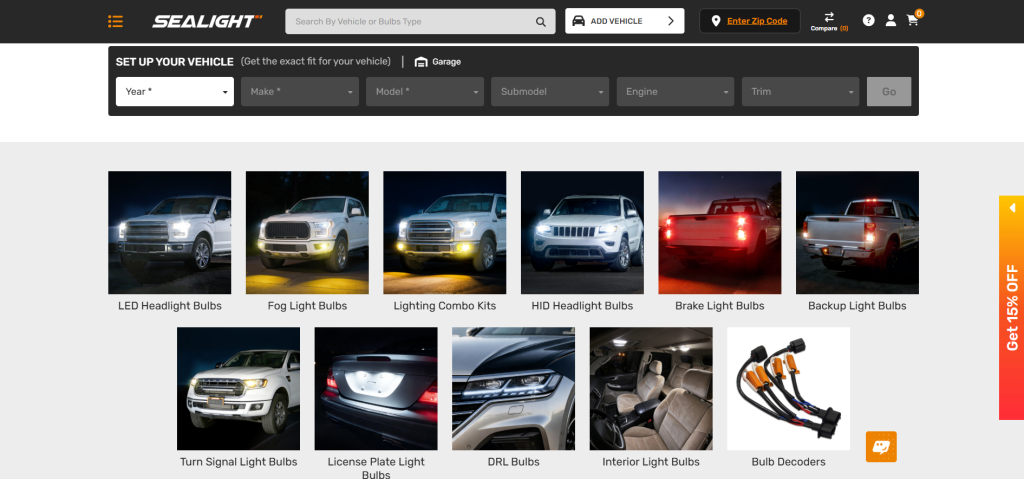
When driving through dense fog, heavy rain, or snow, visibility becomes your most critical safety factor. Traditional halogen fog lights have been the standard for decades, but modern drivers are increasingly switching to LED technology. The question is: do LED fog light bulbs genuinely improve performance in poor weather conditions, or is it just a trend?
This article takes a deep dive into the real-world differences between LED fog light bulbs and stock halogens—and whether upgrading is worth it.
Understanding the Basics: Halogen vs. LED Fog Lights
Halogen Fog Lights
Halogen bulbs have long been the default in most vehicles. They work by heating a tungsten filament inside a gas-filled bulb to produce light.
Key characteristics
- Warm yellowish light (around 3200K)
- Lower upfront cost
- Shorter lifespan (typically 500–1,000 hours)
- Less energy efficient
LED Fog Light Bulbs
LED (Light Emitting Diode) technology produces light through semiconductor chips rather than heat.
Key characteristics
- Brighter, more focused illumination
- Longer lifespan (up to 30,000 hours or more)
- Energy efficient
- Available in various color temperatures (often 6000K or selective yellow options)
Performance in Bad Weather: What Really Matters?
When evaluating fog lights, brightness alone isn’t enough. The quality and behavior of light in adverse conditions matter more.
1. Visibility in Fog
Fog reflects light back toward the driver, causing glare. This is where beam pattern and color temperature play a huge role.
Halogens: Their warmer color penetrates fog better but lacks intensity.
LEDs: High-quality LED fog lights—especially those engineered with proper beam patterns—cut through fog more effectively without excessive glare.
Premium options like those found on sealight-led.com are designed to mimic or improve OEM beam patterns, ensuring the light stays low and wide—exactly what fog conditions require.
2. Brightness and Beam Control
Not all brightness is useful brightness.
- Cheap LEDs can scatter light, making visibility worse.
- High-performance LED fog lights provide focused illumination, improving road edge visibility without blinding other drivers.
For example, the SEALIGHT LED fog light bulbs are engineered with precise chip alignment to deliver a sharp cutoff line and uniform beam distribution—something stock halogens struggle to achieve.
3. Performance in Rain and Snow
Halogens: Perform decently due to their warm tone, but often lack reach.
LEDs: Offer stronger forward visibility, helping drivers see obstacles sooner.
Some LED options, including those from sealight-led.com, offer selective yellow variants that combine the best of both worlds: reduced glare and enhanced contrast in wet conditions.
4. Reaction Time and Safety
Brighter, clearer illumination directly impacts reaction time.
- LED fog lights illuminate road hazards faster and more clearly.
- This can translate into critical extra seconds to react—especially in fast-changing weather.
Product Roundup: Top LED Fog Light Options
Here’s a quick look at some popular choices, with a focus on performance and reliability.
1. SEALIGHT LED Fog Light Bulbs (Top Recommendation)
- Optimized beam pattern for fog conditions
- High lumen output without excessive glare
- Plug-and-play installation
- Long lifespan and efficient heat dissipation
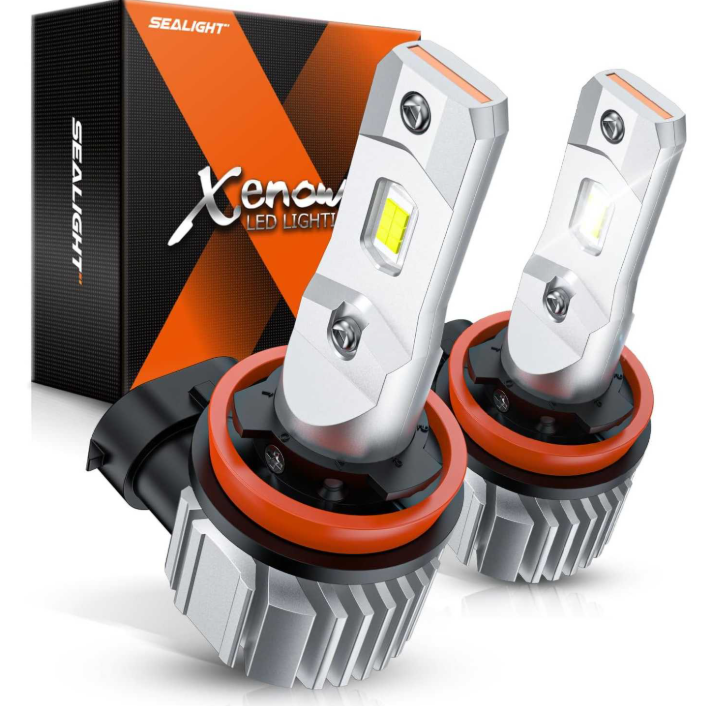
SEALIGHT stands out by balancing brightness and beam precision, making their LED fog light bulbs a strong upgrade over halogen setups.
2. Auxbeam LED Fog Lights
- Known for affordability
- Decent brightness
- May lack refined beam control compared to premium options
3. Cougar Motor LED Fog Bulbs
- Budget-friendly
- Easy installation
- Moderate performance improvements over halogens
4. Philips LED Fog Light Options
- Trusted brand
- Good reliability
- Higher price point
Energy Efficiency and Longevity
Switching to LED doesn’t just improve visibility—it also reduces strain on your vehicle’s electrical system.
- LEDs consume significantly less power
- Generate less heat
- Last far longer than halogens
This means fewer replacements and better long-term value, especially for drivers who frequently travel in challenging weather.
Installation: Is It Complicated?
Most modern LED fog light bulbs are designed as plug-and-play replacements.
Brands like SEALIGHT ensure compatibility with a wide range of vehicles, making installation straightforward—even for beginners. However, it’s always wise to verify fitment using your vehicle’s specifications when purchasing car light bulbs.
Are There Any Downsides?
LED fog lights aren’t perfect in every scenario:
- Poor-quality LEDs can cause glare or uneven beams
- Some vehicles may require additional adapters or decoders
- Cooler color temperatures (6000K+) can reflect more in dense fog if not properly designed
This is why choosing a reputable brand—such as sealight-led.com—is essential.
Final Verdict: Do LED Fog Light Bulbs Make a Difference?
Yes—but only if you choose the right ones.
High-quality LED fog light bulbs:
- Improve visibility in fog, rain, and snow
- Provide better beam control
- Enhance safety through faster hazard detection
- Offer long-term durability and efficiency
Stock halogens still perform adequately, but they simply can’t match the precision, brightness, and lifespan of modern LED solutions.
Conclusion
Upgrading your fog lights isn’t just about aesthetics—it’s a practical safety decision. With advanced engineering and thoughtful design, brands like SEALIGHT are redefining what drivers can expect from fog lighting.
If you frequently drive in poor weather, investing in premium LED fog light bulbs is one of the most effective upgrades you can make. And when paired with high-quality car light bulbs, you create a complete lighting system that significantly improves your driving confidence—no matter the conditions.
