
Mahjong vs Other Tile Games: Key Differences Explained
Mahjong is a classic game that has captured the interest of players around the world for centuries. While it shares some similarities with other tile-based games, Mahjong stands out with unique rules, strategies, and gameplay. Understanding the differences between Mahjong and other tile games can enhance your appreciation and mastery of this timeless game.
1. Origins and Cultural Background
Mahjong originated in China during the Qing dynasty and has deep cultural significance. The game is often associated with festivals, family gatherings, and traditional customs. Other tile games, such as Dominoes or Rummikub, have different cultural roots. Dominoes originated in Italy and spread across Europe, while Rummikub was created in Israel in the 20th century. These distinct backgrounds influence not only gameplay but also how the games are traditionally enjoyed.
2. Game Components
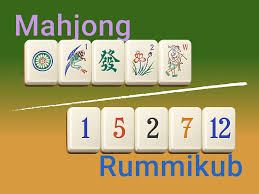
One of the first noticeable differences is the tiles themselves. Mahjong uses 144 tiles divided into suits (Dots, Bamboo, and Characters), Honor tiles (Winds and Dragons), and bonus tiles (Flowers and Seasons). Other tile games often have simpler components. For example, Dominoes consist of rectangular tiles with numbered dots, and Rummikub uses numbered tiles in four colors without the symbolic suits seen in Mahjong. The complexity of Mahjong tiles allows for more strategic depth and variety in gameplay.
3. Rules and Gameplay Mechanics
Mahjong is a game of skill, strategy, and pattern recognition. Players aim to complete a winning hand by forming sets, such as Pongs (three of a kind), Chows (sequences), and Kongs (four of a kind). The gameplay involves drawing, discarding, and calling tiles while considering opponents’ moves. In contrast, other tile games like Dominoes focus on matching numbers on tiles, and Rummikub emphasizes creating sequences and sets with fewer strategic layers compared to Mahjong. This makes Mahjong a more complex and mentally engaging experience.
4. Number of Players and Game Flow
Mahjong is typically played with four players, and the game progresses through rounds with intricate scoring systems. Other tile games vary in player numbers; Dominoes can be played by two to four players, while Rummikub accommodates up to four players as well. The scoring in these games is usually simpler and more straightforward. The multiplayer interaction in Mahjong, with its discards, calls, and defensive plays, adds a social and competitive element that is unique among tile games.
5. Strategy and Skill Level
Strategy plays a central role in Mahjong. Players must plan their moves, track discarded tiles, and anticipate opponents’ strategies. Many tile games rely more heavily on luck than on strategic planning. While games like Dominoes and Rummikub involve tactical choices, they do not offer the same depth of defensive and offensive planning as Mahjong. This makes Mahjong appealing to players seeking a challenging and skill-driven experience.
6. Variations and Regional Differences
Mahjong has numerous regional variations, including Chinese Classical, Hong Kong, Japanese Riichi, and American Mahjong. Each variation has its own rules, scoring system, and special tiles, adding layers of complexity and diversity. Other tile games also have variations, but they tend to be fewer and less intricate. The richness of Mahjong variations allows players to explore different strategies and adapt to local customs.
7. Social and Recreational Aspects
Mahjong is often more than just a game; it is a social activity. It encourages interaction, conversation, and shared experiences. Slot Many other tile games are also social but may not have the same cultural and communal significance. Mahjong gatherings are often tied to holidays, family events, and cultural rituals, giving the game a unique place in social life.
Conclusion
While Mahjong shares the basic concept of using tiles with other games like Dominoes or Rummikub, it stands apart due to its complexity, cultural heritage, strategic depth, and social significance. Understanding these differences helps players appreciate Mahjong not only as a game but also as a cultural phenomenon. Whether you are a beginner or an experienced player, exploring Mahjong can offer a unique and rewarding gaming experience that goes beyond other tile-based games.