
Common Construction Mistakes That Cause Delays (and How to Avoid Them)
Construction delays are incredibly frustrating. They’re expensive, put pressure on relationships, and can seriously affect reputation. Sure, some delays might be unavoidable, but the vast majority are a result of avoidable mistakes.
If you can understand these common pitfalls and create a strategy for them early on, you’ll give yourself a better chance of keeping your projects on schedule. So, without any further ado, here are some common construction mistakes that cause delays, along with some tips on how you can avoid them.
- Poor Planning
It might sound simple, and perhaps even obvious, but poor planning or scheduling is one of the biggest causes of construction delays. If your deadlines are unrealistic, your timeframes are rushed, and your project schedules aren’t 100% complete, then it’s much more likely that your workload will start to unravel soon after you get started. When you don’t have a clear plan for the tasks that need completing and contingency plans in place, just in case, then even the smallest bumps in the road can cause huge delays.
To avoid this, make sure that you invest enough time to draw up a detailed project plan before work gets underway. Be realistic with your timelines, consider the likelihood of external risks (like poor weather), and build in buffer time for other nasty surprises. If you’re struggling to organise your strategy, you can utilise modern project management software – it’ll ensure that you and your teams are on the same page, and can even flag potential issues before they arise.
- Labour Shortages and Skill Gaps
As one of the biggest challenges that the entire construction sector is currently facing, skill shortages are more than likely going to be a problem that you inevitably need to overcome. A lack of skilled labour can significantly slow down progress, as delays often happen when the workers you need just aren’t available, or are otherwise underqualified.
But if you plan out your labour requirements well in advance with your most reliable subcontractors, you can stack the deck in your favour and do your best to avoid the issue entirely. Furthermore, investing more in training, while building strong relationships with skilled workers, will help reduce the risk of abrupt labour shortages.
- Equipment and Machinery Issues
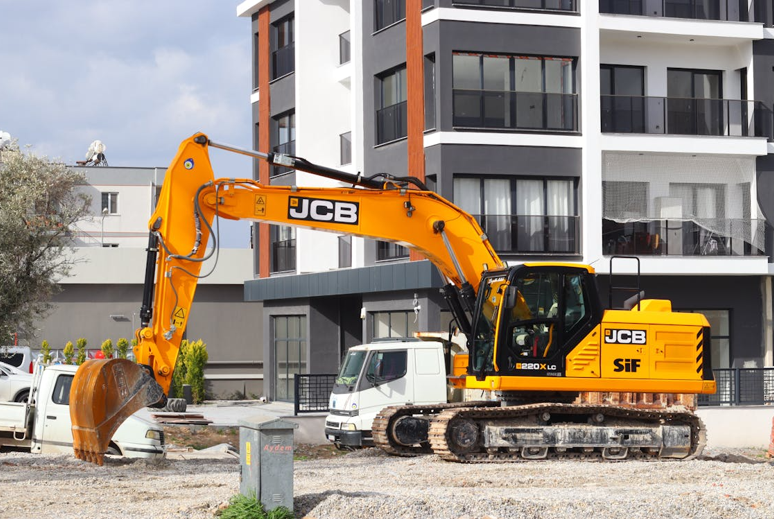
You can have the most detailed plan and a workforce full of people that you trust, but if your equipment or machinery breaks down, work will inevitably come to a standstill.
To avoid this, make sure that your equipment is maintained regularly and consider plant hire as a flexible alternative. Providers like Chippindale Plant provide contractors with modern machinery, including digger hire options, that are well-maintained and available exactly when they’re needed, reducing downtime and avoiding delays that could have been avoided.
Final Thoughts
I doubt it is possible for construction delays to be completely eliminated, but we can accept that many of them are the result of preventable mistakes. Thorough planning, developing strong relationships with skilled workers, and utilising plant hire options can all minimise unexpected disruptions and keep projects on track.