
Undergraduate Student Loans: A Practical Guide for College Funding
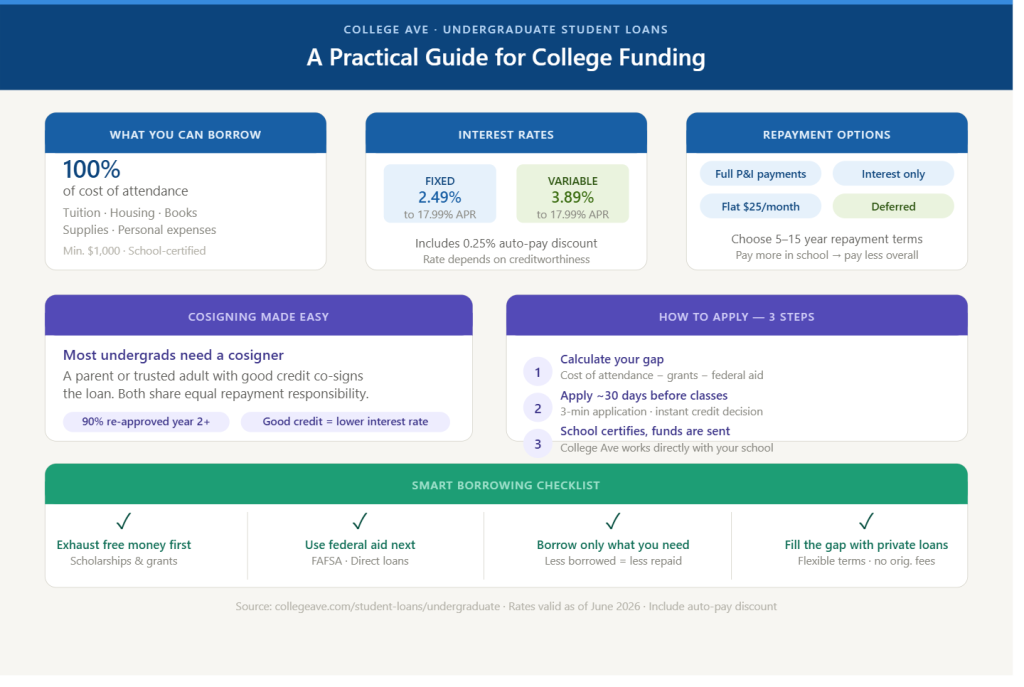
There are the fun opportunities of college, but all that comes with costs. Tuition, housing, textbooks, and other day-to-day living expenses are a huge financial burden on students and families alike. Undergraduate student loans allow the funding of education to continue without interruption for many.
Why Students Consider Loans?
Not every family is able to pay for college with savings alone. While the help of scholarships and grants can also go long way, it is just enough. This is where student loans before undergraduate can serve as a useful function.
While a loan helps students concentrate on studies and also enables to walk up the educational expenses, in an extended period. Borrowing can help you afford higher education, so long as you use it correct.
Understanding Your Borrowing Needs
An overview of calculating real expenses is necessary before relating to undergraduate student loans. The problem is most students borrow more than they need, thus the habit of larger repayments once they graduate.
Start by reviewing:
- Tuition and fees
- Housing costs
- Textbooks and supplies
- Transportation expenses
- Personal living costs
A budget can show how much money really needs to be borrowed.
Features to Compare
Some loans do not provide the same advantages. Comparing will take some time but it can be cheaper in the long run.
Here is what to look for when evaluating undergraduate student loans:
Interest Rates
Lower interest rates are associated with lower long-term repayment burdens.
Repayment Terms
There are some loans that allow you to pay it back over a longer period of time, while others have you paid off within several months.
Borrower Benefits
Some lenders may offer flexible repayment plans or temporary hardship relief as well.
So, this knowledge will help students make an appropriate loan for their futures.
Borrow Responsibly
The optimal borrowing strategy starts by keeping debt to a minimum as much as feasible. Only take out student loans after applying for scholarships, grants, and work-study.
Do not borrow for something that you do not really need. Lower loan balances mean lower repayments after graduation.
Looking Ahead
Choices these days impact college finances for the next 20 years. Finding the best undergrad student loans takes some research, but you should plan and budget accordingly.
A measured approach allows students to graduate without going deeper into debt than is absolutely necessary. With the information they learn on costs, comparing loan features, and responsible borrowing, students can make better informed decisions to invest wisely in their education − resulting in a more prosperous financial future.